Nothing feels quite as crucial as a reliable hot water system—until it stops working. When your shower turns cold or your taps deliver a trickle of lukewarm water, a common question arises: should you repair it, or is it time for a full replacement?
Understanding the lifespan of your hot water system and the key signs of trouble can save you money and prevent a stressful emergency. Here’s a guide to help you make the right choice for your home.
When to Consider a Repair for Your Hot Water System
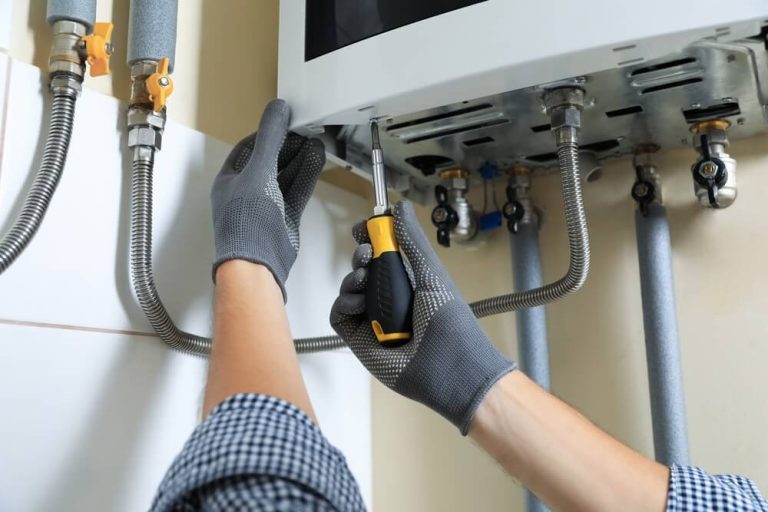
For many common issues, a simple repair by a licenced plumber can get your hot water system back in working order. Repairs are often the most cost-effective option for these problems:
- Pilot Light or Igniter Issues: For gas models, a pilot light that won’t stay lit is a common problem and is often a simple fix.
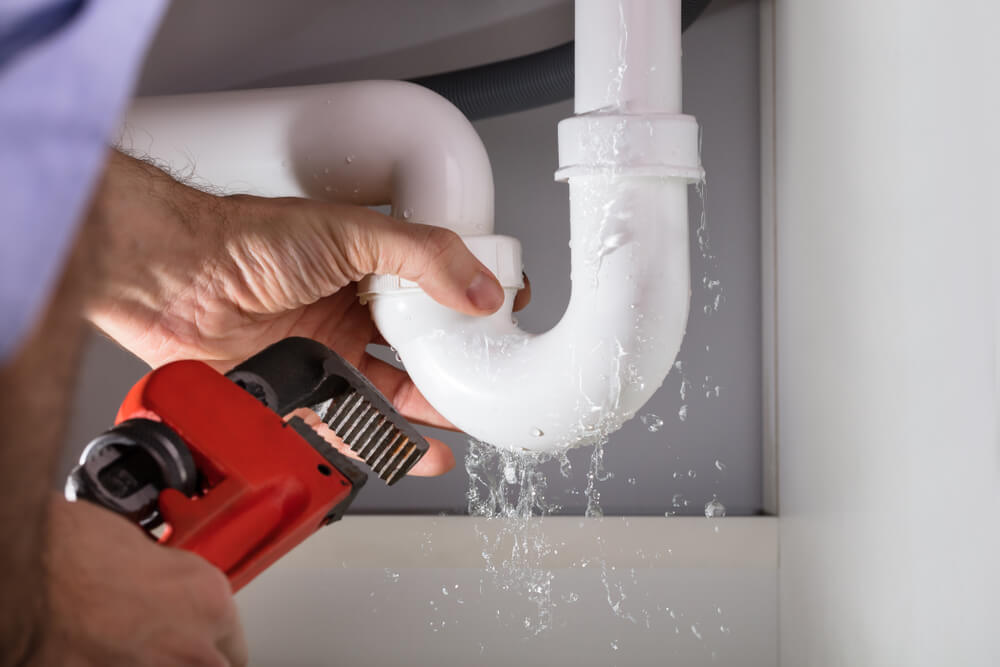
- Minor Leaks: Small leaks from fittings or valves can be repaired quickly, preventing further water damage.
- Faulty Thermostat or Heating Element: If your water isn’t heating properly, the issue might be a malfunctioning thermostat or a damaged heating element, which are both replaceable components.
A repair is usually the best choice if your hot water system is relatively young (under 10 years old) and the cost is less than half the price of a new unit.
Signs It’s Time for a New Hot Water System
Unfortunately, some issues signal the end of your unit’s life. Knowing the signs can help you plan ahead for a replacement, rather than facing an unexpected failure.
- Age: The average lifespan of a hot water system is 10 to 15 years. If yours is approaching this age, efficiency will start to decline, and components will be more prone to failure.
- Rust-Coloured Water: If you see rusty water from your hot water taps, it’s a strong indication that the inside of the tank is corroding. This corrosion will eventually lead to a leak and cannot be repaired.
- Constant Rumbling Noises: As a tank ages, sediment builds up at the bottom. When heated, this sediment can make rumbling or popping sounds. This accumulation reduces efficiency and puts stress on the tank, which can cause a premature failure.
- Visible Leaks from the Tank: A leak from the tank itself, rather than from a fitting, means the tank has corroded or cracked. This is a critical failure and always requires a replacement.
What to Consider When Choosing a New Hot Water System
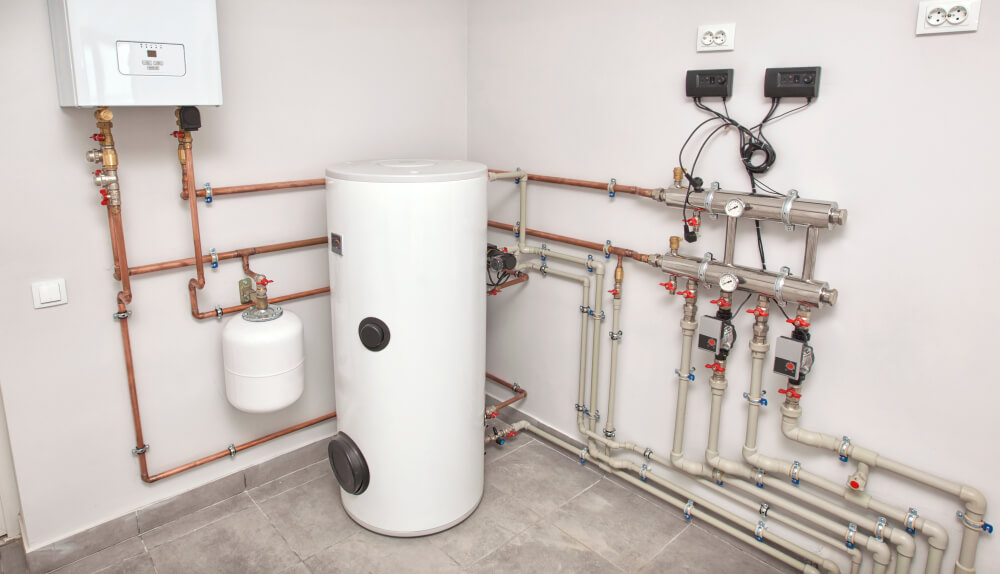
If it’s time to replace your unit, you have more options than ever. Consider these factors to find the perfect hot water system for your home:
- Energy Source: The most common types are electric, gas, solar, and heat pump. Each has different running costs and environmental impacts.
- Size: The size of your household and your hot water usage will determine the appropriate tank capacity or flow rate for a continuous system.
- Location: Where the unit will be installed—inside, outside, or in the roof space—influences your choice.
When faced with a repair or replace decision, a professional assessment is invaluable. For expert advice and service on all hot water system needs, from repairs to new installations, contact Drain Surgeon Plumbing today. We can help you choose the most efficient solution for your