I don’t think is one person that doesn’t find a low pressure shower unsatisfying or gets frustrated when it takes forever to fill up a pot or kettle of water. Low water pressure can turn simple daily tasks into plain frustration. But why does it happen, and more importantly, how to fix low water pressure in your home?
At Drain Surgeon Plumbing, we understand the vital role good water pressure plays in your household. Let’s delve into the common culprits behind a lacklustre flow and explore the solutions, from simple DIY fixes to when it’s time to call in the experts.
What is “Good” Water Pressure for an Australian Home?
In Australia, water pressure is measured in kilopascals (kPa). For most residential properties, an ideal water pressure typically falls between 300 and 500 kPa. Anything consistently below this range can indicate a problem, while anything significantly above 500 kPa can actually be detrimental to your plumbing system over time.
Common Causes of Low Water Pressure
Identifying the source of your low water pressure is the first step towards a solution. Here are the usual suspects:
Clogged Aerators and Showerheads: This is often the simplest cause and can affect just one fixture. Mineral deposits (limescale) and debris can build up in the screens of your taps and showerheads, restricting water flow.
Partially Closed Valves: Your home has several important valves. The main shut-off valve (where water enters your property) or the water meter valve (controlled by your local water authority) might not be fully open. Individual shut-off valves for appliances or fixtures could also be partially closed, perhaps accidentally after recent maintenance.
Faulty Pressure Regulators (PRV): Many homes, particularly in areas with naturally high mains pressure, have a pressure reducing valve installed near the main water line. This device regulates the incoming pressure to a safe level for your home’s plumbing. If it’s faulty or old, it can get stuck, causing a significant drop in pressure.
Pipe Issues: Corrosion, Mineral Build-up, or Incorrect Sizing:
Corroded Pipes: In older homes, particularly those with galvanised steel pipes, corrosion can build up inside the pipes over decades, narrowing the pathway for water. This is a gradual process that leads to declining pressure over time.
Mineral Build-up (Scaling): In areas with “hard water” (high mineral content), limescale can accumulate within pipes, much like in aerators, restricting flow throughout the system.
Incorrectly Sized Pipes: If your home’s plumbing was undersized for its demand or has undergone extensions, existing pipes might simply be too small to deliver adequate pressure to all fixtures simultaneously.
Leaks in the System: Even a small, hidden leak can lead to a noticeable drop in overall water pressure. The water is literally escaping before it reaches your taps. These can be difficult to locate without professional tools.
External or Municipal Issues: Sometimes, the problem isn’t with your home’s plumbing at all. There might be a water main break in your area, scheduled maintenance by your local water authority, or unusually high demand in your neighbourhood (e.g., during a heatwave when everyone is watering gardens).
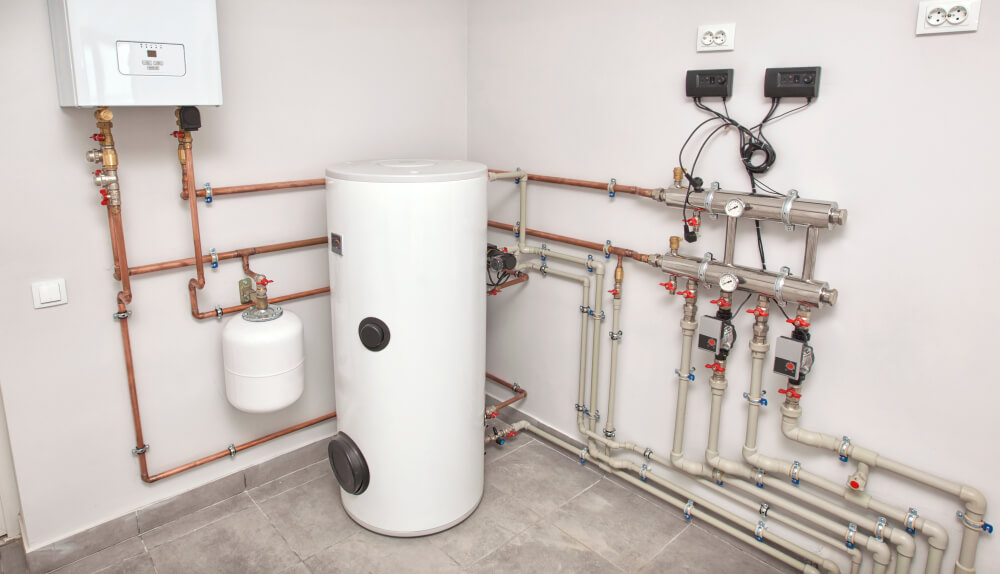
Water Heater Problems: If you’re only experiencing low hot water pressure, the issue might lie with your hot water system. Sediment build-up in the tank, a faulty dip tube, or a failing heating element can all restrict hot water flow.
How to Fix Low Water Pressure: Your Action Plan
Now that we understand the potential causes, let’s look at how to fix low water pressure, starting with some easy troubleshooting steps.
DIY Checks You Can Do:
Test All Taps and Fixtures: Is the low pressure affecting your entire house, or just one shower or tap? If it’s isolated to one fixture, it’s likely a localised issue.
Clean Aerators and Showerheads: Unscrew the aerator from your taps and the showerhead from its arm. Soak them in a descaling solution (like vinegar) to remove mineral build-up, then rinse thoroughly and reattach.
Check Your Main Water Shut-Off Valve: Locate the main water shut-off valve where the water supply enters your home. Ensure it’s fully open. If it’s a gate valve (with a wheel-like handle), turn it clockwise until it’s snug, then back it off a quarter turn to prevent seizing. If it’s a ball valve (with a lever), ensure the lever is parallel to the pipe.
Check the Water Meter Valve: This valve is typically located near your water meter at the property boundary. It’s usually controlled by the water authority, but sometimes it can be partially closed after work in the area. Ensure it’s fully open.
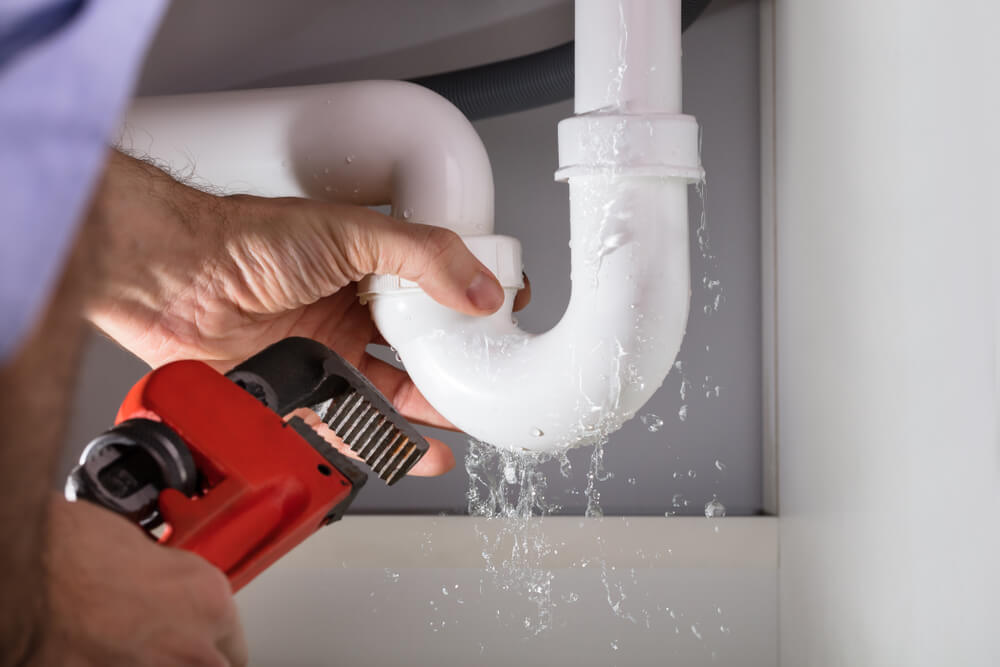
Look for Visible Leaks: Inspect visible pipes under sinks, around water heaters, and in your garden for any signs of dampness, drips, or puddles.
When to Call a Professional Plumber:
If the above DIY steps don’t resolve your low water pressure issues, it’s time to bring in the expertise of a licensed plumber. Complex diagnostics and repairs often require specialised tools and knowledge.
A plumbing professional can:
Diagnose Faulty Pressure Regulators: We can test your PRV to see if it’s functioning correctly and replace it if necessary, ensuring your home receives optimal and safe water pressure.
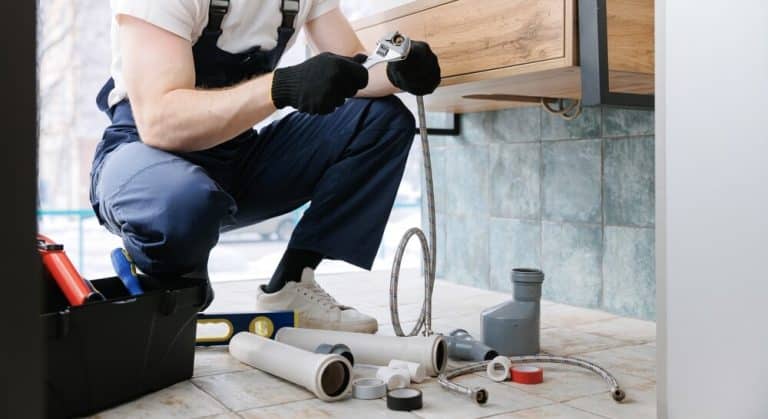
Deal with Corroded or Blocked Pipes: If mineral build-up or corrosion is widespread, we can assess the best course of action, whether it’s hydro-jetting to clear blockages or recommending pipe replacement (re-piping) for older homes. We also offer advanced solutions like pipe relining to restore flow without extensive digging.
Detect Hidden Leaks: Using advanced leak detection equipment, we can pinpoint elusive leaks behind walls, under floors, or underground, preventing further water damage and restoring pressure.
Address Water Heater Issues: If your low pressure is specific to hot water, we can inspect your hot water system for sediment build-up, faulty components, or sizing issues, and provide appropriate repairs or replacement recommendations.
Install Water Pressure Booster Pumps: In cases where the municipal water supply itself consistently provides low pressure (common in elevated areas or at the end of water lines), a booster pump can be installed to significantly increase the pressure throughout your home.
Consult on Pipe Sizing: For homes undergoing renovations or additions, we can ensure your plumbing system is correctly sized to handle your household’s water demands.
Prevention is Key
While we’re always here to help with your plumbing emergencies, a little prevention goes a long way. Regular plumbing maintenance, including checking for leaks and cleaning aerators, can help maintain consistent water pressure and extend the life of your plumbing system.
Don’t let low water pressure disrupt your daily life. If you’ve tried the simple fixes and your taps are still trickling, contact the expert team at Drain Surgeon Plumbing. We’re ready to accurately diagnose the problem and provide a lasting solution, ensuring you enjoy robust water pressure throughout your Australian home.
Don't let a plumbing emergency ruin your day (or night!). Call the Drain Surgeon anytime.
Looking for a reliable local plumber who can arrive quickly and fix your plumbing issues on the same day? At Drain Surgeon Plumbing, we’re always nearby and ready to help with 24/7 service, no callout fees, and expert solutions.