Water is essential for life, but when it’s where it shouldn’t be, it can cause devastating and costly damage to your home. From a small, slow drip to a catastrophic burst pipe, water leaks are a leading cause of insurance claims in Australia. The key to safeguarding your property and your wallet is knowing how to protect your home from water damage by identifying and preventing leaks before they become a disaster.
At Drain Surgeon Plumbing, we know that a proactive approach is always better than a reactive one. This guide will walk you through the tell-tale signs of a leak and provide you with a checklist of preventative measures you can take today.
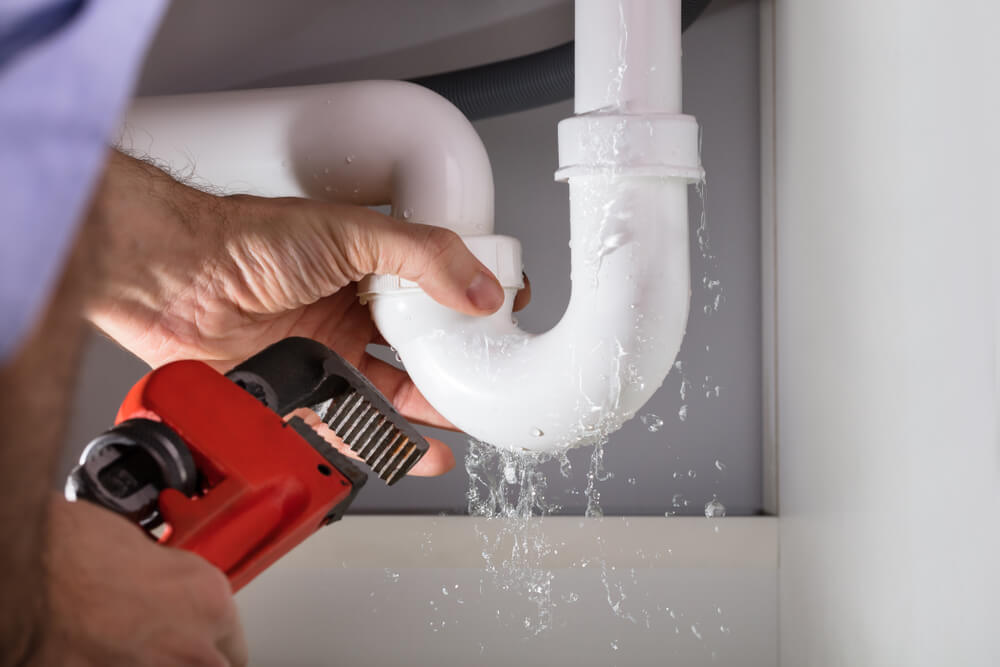
A leak is more than just a nuisance. Even a tiny, persistent leak can waste thousands of litres of water per year, leading to a surprise on your water bill. Worse still, hidden leaks can cause:
A leak isn’t always a dramatic burst. Many are sneaky and silent. Here’s what to look for:
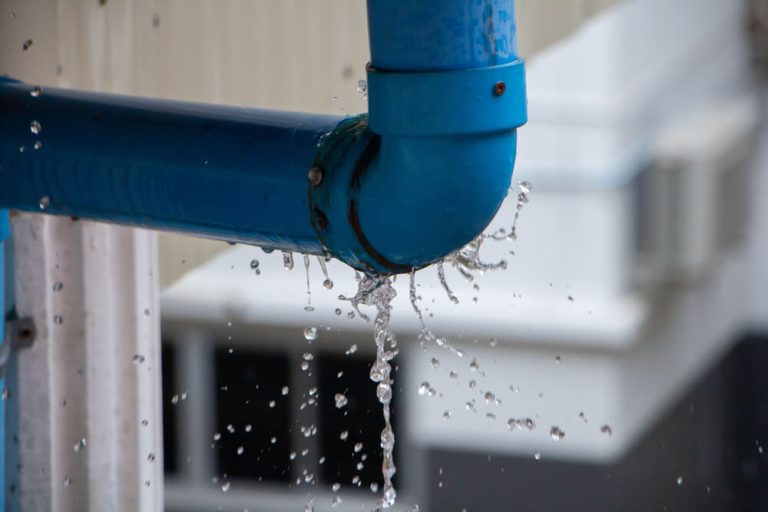
The best way to deal with a leak is to stop it from ever happening. Here is a preventative checklist to help you protect your home from water damage.
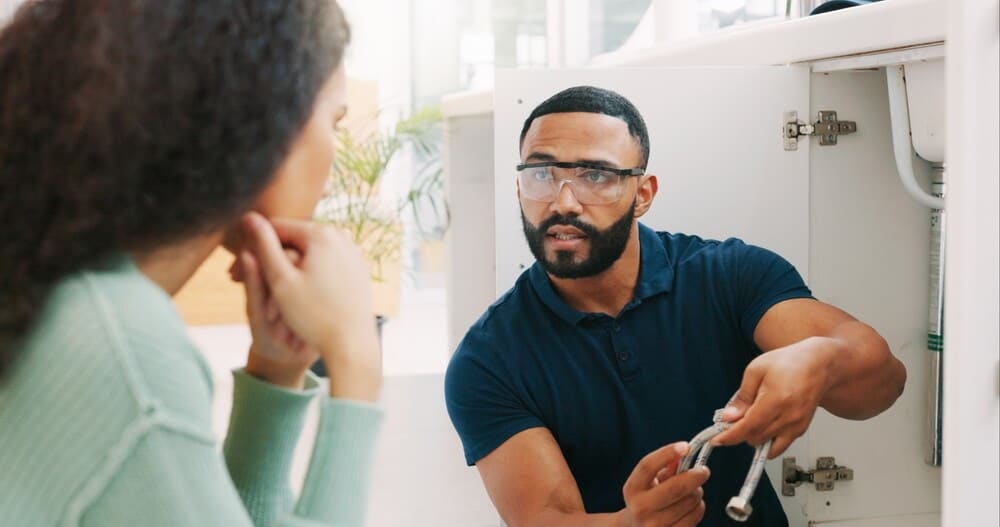
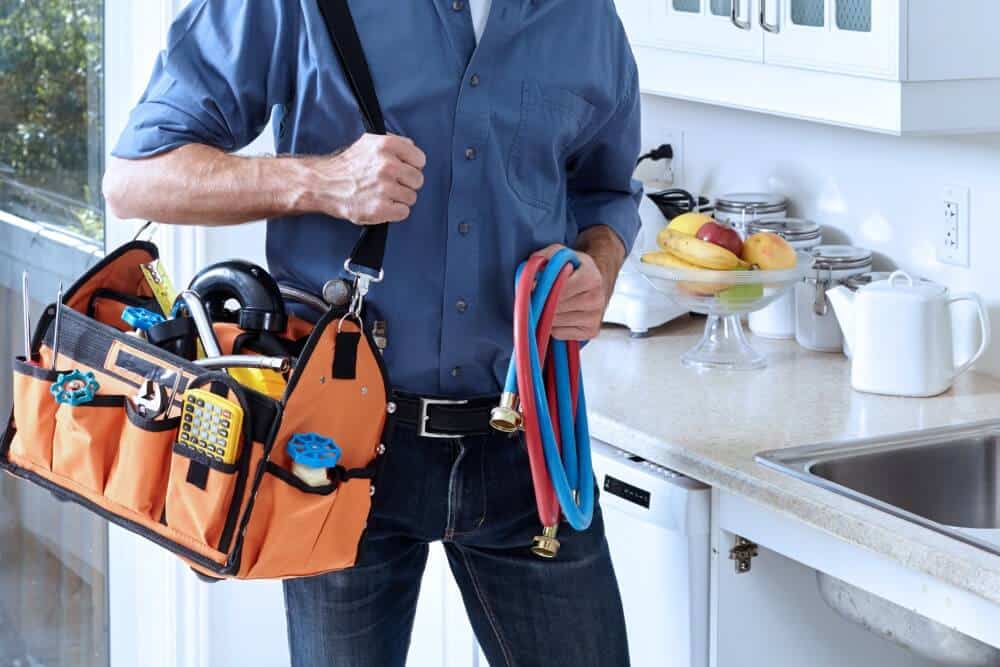
These braided hoses are a common cause of catastrophic leaks. Found under sinks, behind toilets, and on appliances, they are prone to bursting without warning. Check them regularly for signs of rust, fraying, or bulging and have them professionally replaced every 5 to 10 years, even if they look fine.
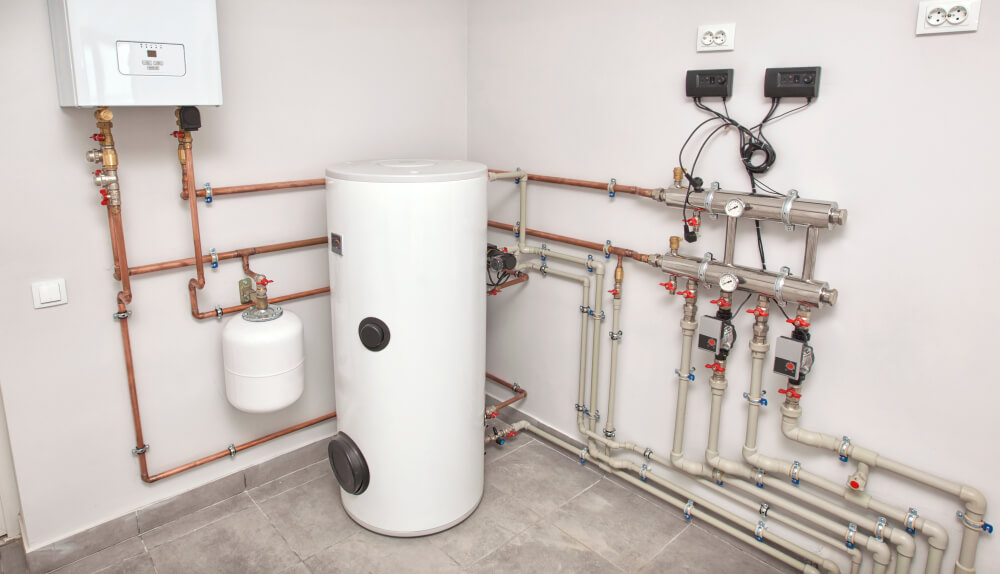
This is the most critical piece of advice. In the event of a burst pipe, every second counts. Knowing where your main water valve is and how to turn it off can save your home from a flood. Practice turning it on and off and ensure everyone in your household knows how to use it.
High water pressure (above 500 kPa) can put excessive strain on your pipes and fittings, causing them to fail prematurely. A plumber can test your home’s pressure and install a pressure-limiting valve if needed, which can save your plumbing system from long-term damage.
Clogged gutters and downpipes can cause water to pool on your roof and overflow, leading to leaks into your ceilings and foundations. Regularly clear them of leaves and debris, especially after storms.
As plumbers, we see it all. Blocked drains from hair, soap scum, fats, oils, and even tree roots can cause water to back up and overflow, leading to significant water damage. Use drain strainers and avoid pouring grease down the sink to keep your drains clear.
Check your plumbing in easy-to-access areas like under sinks, in laundries, and in basements. Look for any signs of corrosion, dampness around joints, or water stains. Being in Melbourne where we see some colder days, insulate exposed pipes to prevent freezing and bursting.
For the ultimate peace of mind, you can install a smart leak detection system. These devices can monitor your home’s water usage, send instant alerts to your phone if a leak is detected, and some can even automatically shut off the water supply to prevent extensive damage.
While many small leaks can be fixed with a simple DIY approach, for anything more complex—a burst pipe, a high water bill, or a suspected hidden leak—it’s always best to call a professional. At Drain Surgeon Plumbing, we have the tools and expertise to accurately detect even the most hidden leaks and provide a permanent solution.
Don’t wait until it’s too late. Take action today to protect your Melbourne home from water damage and keep your plumbing system in excellent working order.